Digital Marketing
Google Ads vs SEO: Where Should a Small Business Spend First?
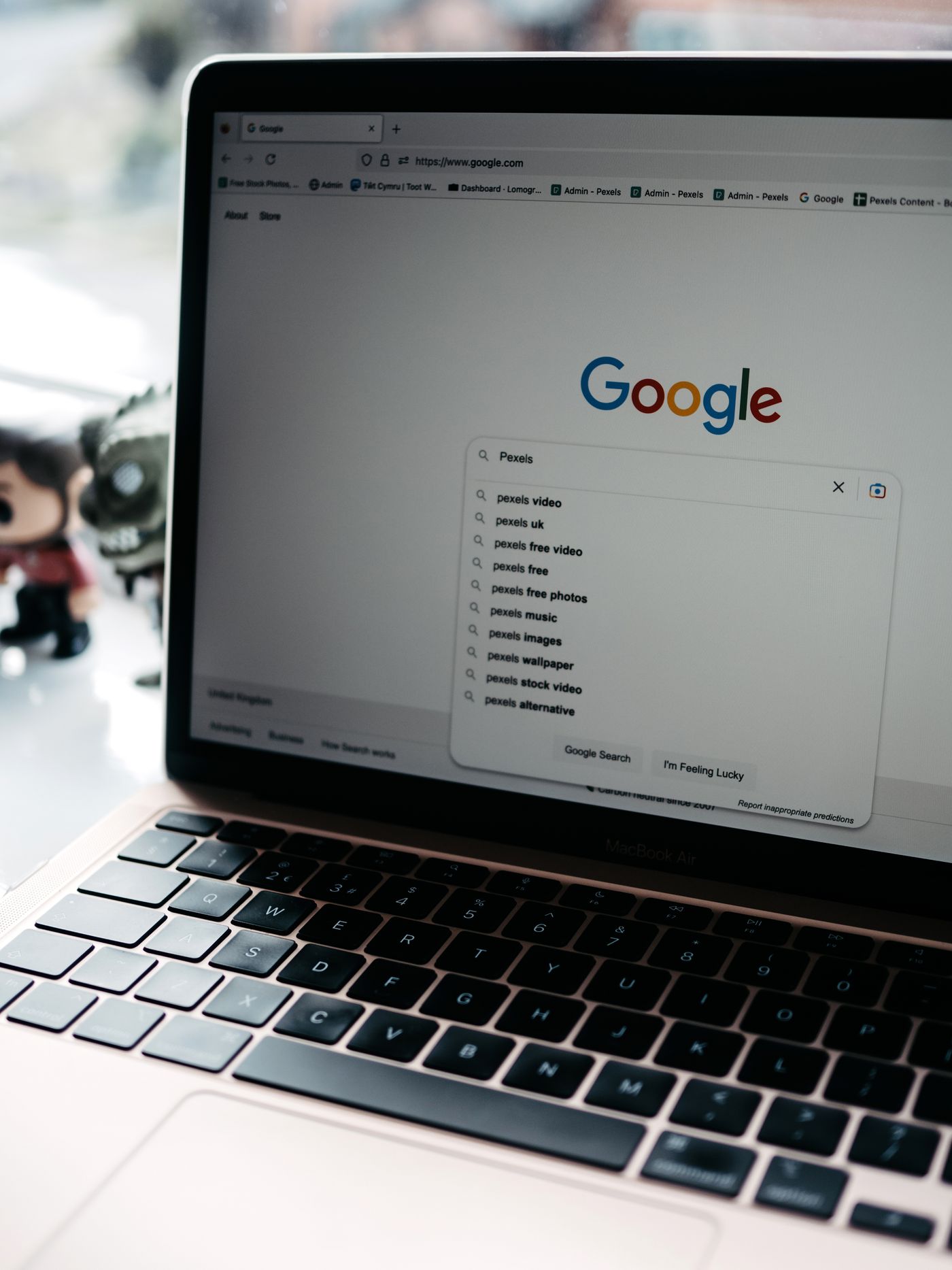
Both Google Ads and SEO put you in front of people who are searching. One is a tap you pay to keep running, the other is an asset you build over time. Which one comes first depends on how soon you need work and what you have to send people to.
What is the real difference between the two?
Google Ads is rented attention. You pay to appear when someone searches, and when you stop paying, you stop appearing. It starts quickly and you control when it is on.
SEO is owned attention. You improve your pages, your profile and your answers so you can be found without paying per visit. It takes longer to build, it does not switch off when you pause, and no one can promise where you will land.
Neither is better in general. They answer different needs, and a small business should pick based on its situation, not on whichever sounds more impressive.
When should you start with Google Ads?
Ads make sense when you need enquiries soon and you have somewhere good to send them. A new business with no history, a seasonal service with a short window, or a new service you want to test are typical cases.
Ads also work as a test. Before you invest in building a full set of pages around a service, you can run a small campaign and see whether anyone enquires. That is cheaper than finding out a year later.
The condition is a page that matches the ad. If the ad says 'hot water repairs in Logan', the click should land on a page about hot water repairs in Logan, with a number to tap, not on a homepage.
When should you start with SEO?
SEO suits businesses with steady, ongoing demand for a service, and the patience to build. A plumber, an electrician or a physiotherapist all get searched for every week of the year.
It is also the better first move when your website is weak. Fixing service pages, headings, service areas and the Google profile helps whether or not you ever run an ad, because it improves what visitors see when they arrive.
If you are tight on money, SEO foundations are usually the safer first spend, because the work stays yours when the invoice is paid.
How do you choose in practice?
Work through these questions in order. They are plain, and the answers usually point the way.
- Does your website have a page for each service, a clear phone number and a form? If not, fix that first, whichever route you choose.
- Do you need enquiries within weeks, or can you wait? Soon points to ads. Patient points to SEO.
- Do you know whether people search for your service? Ads can test it. SEO needs it to be true.
- Can you keep paying every month? If the budget is unpredictable, rely more on what you own.
- Can you track enquiries? Without tracking, neither can be judged fairly.
Can you do both?
Yes, and many businesses end up doing so. A common pattern is to run a modest ad campaign while the SEO foundations take shape, then lean on search as it matures and trim the ads to the services that need a push.
Take an example Sunshine Coast landscaper. They run ads for a seasonal job that needs a quick start, while building permanent pages for lawn care and garden design that will keep bringing in enquiries. The ads fill the gap while the pages grow. It is an invented example, but the logic is sound.
Whatever you pick, set up conversion tracking so a phone tap or a form submission is counted. Otherwise you are guessing.
What does HoneyPot offer here?
Our digital marketing from $448 per month covers SEO foundations and local search, Google Ads management and GA4 conversion tracking, with reports in plain English. Monthly services can be cancelled with 30 days' notice.
Questions people ask
Is SEO cheaper than Google Ads?
They are paid for differently. Ads cost money every time they run. SEO costs work up front and keeps paying off, but it is slower and carries no guarantees.
Should my ads go to my homepage?
Usually not. Send each ad to a page about that exact service, with a clear way to call or enquire.
Get a clear quote
Tell us what the business does and where. We reply with what is included and what it costs. You own the site.